Phosphorus data for the East Interlake Watershed District were generated by the Lake Winnipeg Community-Based Monitoring Network (LWCBMN), a long-term program designed to identify localized phosphorus hotspots where action is required to improve Lake Winnipeg water quality.
LWCBMN 2023 Regional Report - City of Winnipeg
Posted:
Phosphorus data for the City of Winnipeg were generated by the Lake Winnipeg Community-Based Monitoring Network (LWCBMN), a long-term program designed to identify localized phosphorus hotspots where action is required to improve Lake Winnipeg water quality.
LWCBMN 2023 Regional Report - Central Assiniboine Watershed District
Posted:
Phosphorus data for the Central Assiniboine Watershed District were generated by the Lake Winnipeg Community-Based Monitoring Network (LWCBMN), a long-term program designed to identify localized phosphorus hotspots where action is required to improve Lake Winnipeg water quality.
LWCBMN 2023 Regional Report - Assiniboine West Watershed District
Posted:
Phosphorus data for the Assiniboine West Watershed District were generated by the Lake Winnipeg Community-Based Monitoring Network (LWCBMN), a long-term program designed to identify localized phosphorus hotspots where action is required to improve Lake Winnipeg water quality.
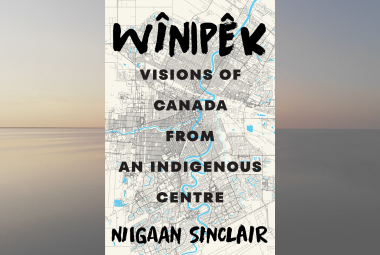
Decolonizing Reading Club: Wînipêk
Posted:
Read LWF Executive Director Alexis Kanu’s interview with Niigaan Sinclair about his new book Wînipêk: Visions of Canada from an Indigenous Centre.

fall & winter 2024
Posted:
Our Fall & Winter 2024 newsletter celebrates a new phosphorus reduction system at Winnipeg's north end sewage treatment plant, shares an update on the new Canada Water Agency, and shows how community support drives positive change for Lake Winnipeg!
The success of a 32-hour workweek at LWF
Posted:
LWF and LWIC adopted a permanent 32-hour workweek to enhance employee well-being, work-life balance, and productivity after a successful six-month trial. This initiative, which is the first of its kind among Manitoba charities, also aims to better focus on strategic goals and increase staff engagement and retention.
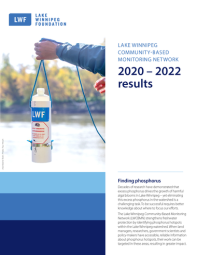
LWCBMN 2020-2022 Results
Posted:
The Lake Winnipeg Community-Based Monitoring Network (LWCBMN) 2020-2022 Results shares maps of phosphorus hotspots from 2020, 2021 and 2022. Pivoting quickly to adapt to COVID-19 health protections, LWCBMN was able to continue collecting water samples throughout the pandemic, building our long-term phosphorus data set. With seven years of data now in hand, LWCBMN points the way to evidence-based solutions for Lake Winnipeg.
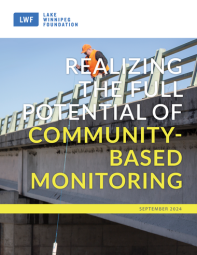
LWBCMN 2024 Policy Brief
Posted:
Submitted to Environment and Climate Change Canada (ECCC), our policy brief identifies how ECCC’s regional water programs, including the Lake Winnipeg Basin Program, are perfectly positioned to link community concerns and federal policy priorities. We highlight how phosphorus data generated by the Lake Winnipeg Community-Based Monitoring Network (LWCBMN) can support regional decision-making and funding allocation, and urge any renewed federal program to explicitly recognize the value of LWCBMN data in order to effectively complete the data-to-impact cycle.

Manitoba’s government must take accountability for phosphorus compliance
Posted:
Instead of deflecting its responsibility for achieving phosphorus compliance at Winnipeg’s largest sewage treatment plant, Manitoba’s government must take action to implement a cost-effective solution.