science advisors
Science advisors play a vital role in ensuring that LWF’s programs, policies, and advocacy positions are grounded in sound science. As we work to develop evidence-based solutions to restore the ecological integrity of Lake Winnipeg, advisors’ expertise strengthens our credibility, informs our decisions, and connects our work to the broader scientific community.
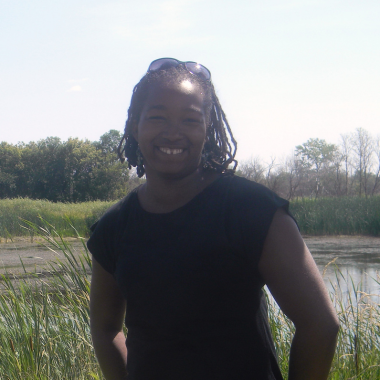
Genevieve Ali
Background: Ph.D. in geography with a specialization in environmental hydrology.
Research focus: Watersheds systems, both agriculture-dominated and forest-dominated. Interest in runoff generation processes, their influence on river flow and water quality dynamics, and how they vary under evolving land management practices, climate changes, and land use and land cover changes. Keen on research initiatives that span the science-policy-practice interface.
Personal connection to Lake Winnipeg: "Professionally, I have been and remain fascinated with how different the rivers flowing into the lake are. Personally, I have fond memories of family vacations in and around Gimli."
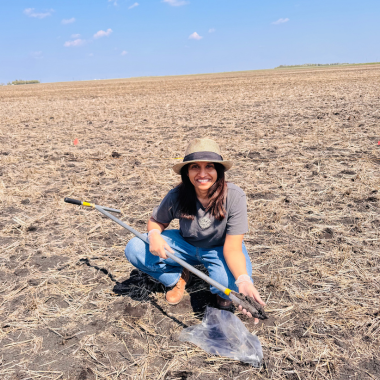
Inoka Amarakoon
Background: M.Sc. and Ph.D. in Soil Science from the University of Manitoba; Associate Professor in the Department of Soil Science at the University of Manitoba.
Research focus: Advancing climate-resilient, sustainable agricultural systems that protect water quality and support agricultural productivity. Improving phosphorus management to promote its efficient use in agriculture and minimize nutrient losses to surface waters, thereby reducing the risk of water quality degradation and enhancing environmental stewardship.
Favourite thing to do on/around Lake Winnipeg: "Being near the water feels peaceful and relaxing, a welcome opportunity to slow down and recharge."
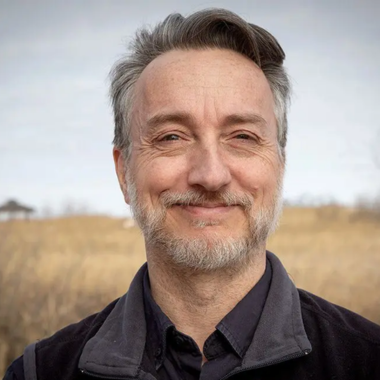
Pascal Badiou
Background: Wetland ecologist/biogeochemist who has been working as a research scientist in the ENGO space for over 20 years. Ph.D. in Wetland Ecology.
Research focus: Watershed science, with a particular focus on the role of wetlands in mitigating non-point source nutrient pollution in agricultural landscapes.
Favourite thing to do on/around Lake Winnipeg: "Some of my favorite memories are from playing on the beaches of Manitoba's great lakes including Lake Winnipeg."
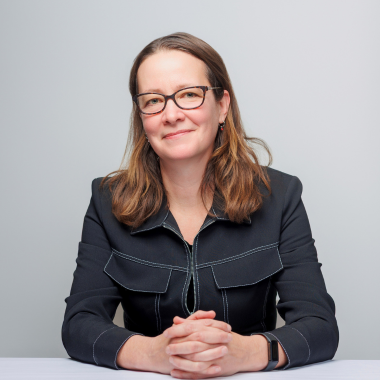
Helen Baulch
Background: Ph.D. in Environmental and Life Sciences. Professor at the University of Saskatchewan, leading research focused on water quality and water sustainability.
Research focus: Agricultural nutrient management, beneficial management practices, eutrophication, harmful cyanobacterial blooms, water treatment, lake science, and sustainability science.
Personal connection to Lake Winnipeg: "I first visited Lake Winnipeg and its incredible beaches in my 20s. Since moving to the prairies, I see similar issues across so many lakes, and am actively engaged in understanding what we can do to help sustain productive agricultural lands and healthy waters. There’s a lot of work ahead, but I’m confident we can make progress."
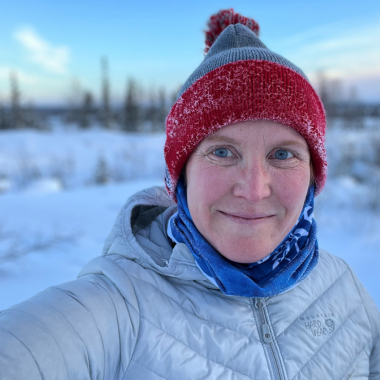
Nora Casson
Background: Professor and Canada Research Chair in Environmental Influences on Water Quality in the Department of Geography at the University of Winnipeg. Ph.D. from Trent University, postdoctoral fellowship at the Centre for Limnology at the University of Wisconsin-Madison.
Research focus: Investigating how human activities on the landscape impact water quality of lakes, streams and wetlands. Effects of climate change on carbon cycling and storage in boreal forests and on controls on phosphorus in agricultural streams across the Canadian Prairies.
Personal connection to Lake Winnipeg: "I mostly work in parts of the Lake Winnipeg watershed that are quite far from the lake, so I'm always happy when I get to visit the lake itself and picture the water travelling into the lake from the far reaches of the basin."
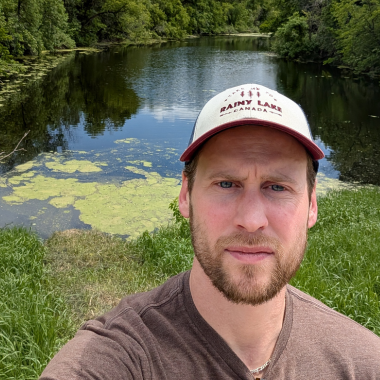
Jonathan Challis
Background: Research Scientist in soil and water agri-chemistry with Agriculture and Agri-Food Canada. Ph.D. in environmental chemistry from the University of Manitoba.
Research focus: Dynamics of nutrients and organic contaminants in agri-ecosystems. Field monitoring, analytical chemistry, and ecotoxicology to understand contaminant fate and transport, identify risks to aquatic ecosystems, and support management practices that protect water quality.
Personal connection to Lake Winnipeg: "I have always been fascinated by Lake Winnipeg and the complex challenges it faces. I fell in love with the lake swimming at Patricia Beach as a child. I recently moved back to Winnipeg and I hope to impart that same lake connection to my kids."

Don Flaten
Background: Retired professor at the University of Manitoba, specializing in nutrient management and crop nutrition. Previously worked as the Provincial Soils Specialist for the Saskatchewan Ministry of Agriculture and as a District Agriculturist for Alberta Agriculture.
Research focus: Improving fertilizer and livestock manure management for crop yields and quality, as well for agricultural and environmental sustainability.
Favourite thing to do on/around Lake Winnipeg: "Swimming with my family at Patricia Beach, camping with my family on Hecla Island, and touring Gimli Harbour and the Namao research ship while I served on the Lake Winnipeg Stewardship Board."
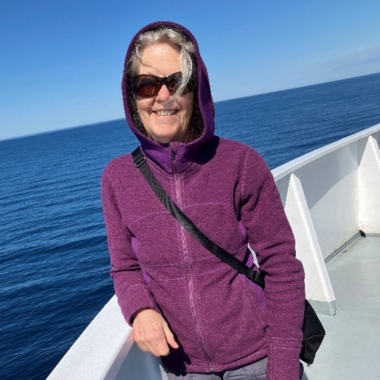
Stephanie Guildford
Background: Grew up and studied marine biology in Nova Scotia. Ph.D. in Botany from the University of Manitoba.
Research focus: Specializing in the factors that control the distribution, abundance and species of algae growing in lakes. Involved in large lake studies around the world.
Favourite thing to do on/around Lake Winnipeg: "I love swimming and have very fun memories of swimming at Victoria Beach with my kids and grandkids."
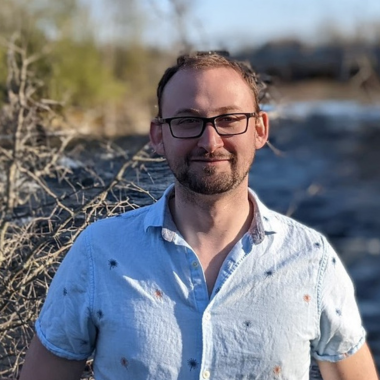
Cale Gushulak
Background: Limnologist and Assistant Professor in the Department of Biological Sciences at the University of Manitoba. Holds a Ph.D. in biology from Queen's University.
Research focus: Changes in lake environments in response to human activities including climate change, nutrient pollution, and aquatic invasive species by examining biological and geochemical records in lake sediments.
Favourite thing to do on/around Lake Winnipeg: “Exploring the lakes and streams of the Lake Winnipeg watershed by kayak is one of my favourite pastimes. When it wants to be, nothing is more peaceful than being on the water.”
Mark Hanson
Background: Ph.D. in Toxicology from the University of Guelph. Professor in the Department of Environment and Geography at the University of Manitoba.
Research focus: Aquatic ecotoxicology and ecological risk assessment. Fate and effects of contaminants on freshwater ecosystems (e.g., pesticides, nutrients, pharmaceuticals, microplastics, unconventional oil, PFAS). Methods development for evaluation of data quality and reporting in the peer-reviewed literature, including weight of evidence approaches to assign causality.
Personal connection to Lake Winnipeg: "Lake Winnipeg is where I first got to experience sailing, which made me appreciate the vast scale and majesty of the lake."
Caleb Hasler
Background: Freshwater fish biologist and fisheries scientist. Professor at the University of Winnipeg.
Research focus: Impacts of environmental variables like temperature and carbon dioxide on fish physiology and behaviour. Applied studies to support fisheries science and conservation in Lake Winnipeg and surrounding water bodies.
Favourite thing to do on/around Lake Winnipeg: "Go fishing!…but mostly on the Red River around Winnipeg."
Robert Hecky
Background: Retired lake ecologist and former McKnight Endowed Presidential Professor at the University of Minnesota Duluth. Previously worked with the University of Waterloo, Environment Canada, and Fisheries and Oceans Canada.
Research focus: Biogeochemistry and productivity of freshwater ecosystems, including nutrients, food webs, and environmental change in lakes around the world, including Lake Winnipeg.
Favourite thing to do on/around Lake Winnipeg: "Studying and learning from the lake. My connection to Lake Winnipeg began in 1973 and has continued for more than 50 years."
Ray Hesslein
Background: Retired Research Scientist for Fisheries and Oceans Canada. Studied the physics, chemistry and biology of lakes and rivers including Lake Winnipeg.
Research focus: Physical mixing in lakes and the distribution of dissolved and particulate material, air-water gas exchange especially of carbon dioxide, fate and distribution of trace metals introduced to lakes, effects of acidification on lakes, stimulation of algal growth by nutrient addition, the use of the stable isotopes of C,N,S for understanding aquatic food webs, nutrient mass balance for lakes including Lake Winnipeg.
Favourite thing to do on/around Lake Winnipeg: "A couple of weeks at a cottage in the summer."

Scott Higgins, advisory network chair
Background: Ph.D. in Biology with a specialty in algal ecology and invasive species. Currently a researcher with the IISD Experimental Lakes Area.
Research focus: Algal ecology and ecosystem ecology, large scale projects evaluating the effects of pollutants (e.g. nutrients, microplastics, oil spills, anti microbial compounds) and climate change on freshwater ecosystems, improving guidance for freshwater policy and management.
Personal connection to Lake Winnipeg: "I love the outdoors and especially lakes. I’ve had the pleasure of roaming the beaches, searching sites for zebra mussels during their initial invasion, and collecting native bivalve mussels near Gimli Harbour. I have been advocating for strong controls on phosphorus inputs to the lake for many years."
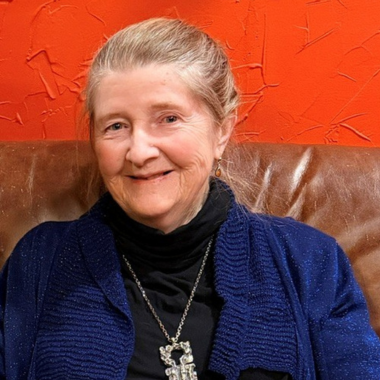
Hedy Kling
Background: B.Sc. and M.Sc. in Botany on taxonomy of centric diatoms. Previously worked for Fisheries and Oceans Canada. Currently a freelance consultant on algal issues.
Research focus: Phytoplankton taxonomy and ecology. 50+ years of analysis of phytoplankton in lakes, rivers and reservoirs with specific interest in cyanobacteria taxonomy and toxic algae.
Personal connection to Lake Winnipeg: "Lake Winnipeg was the first lake from which I analyzed phytoplankton samples in 1969 when began my career with the Department of Fisheries and Oceans. I also participated in a fall survey of the lake on the Namao; I enjoy keeping abreast of the phytoplankton changes over the years."
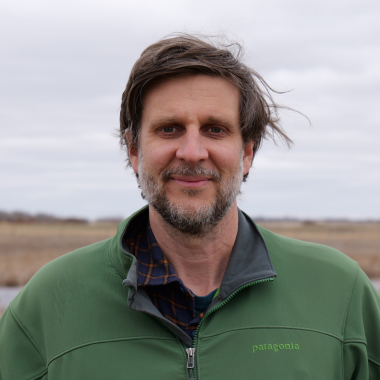
Alex Koiter
Background: M.Sc. in soil science from the University of Manitoba, Ph.D. in natural resources and environmental studies from the University of Northern BC. Associate Professor in the Department of Geography & Environment at Brandon University.
Research focus: Agri-environmental systems, including soil erosion, watershed processes, water quality, and soil microplastics, with an emphasis on open and reproducible science practices.
Favourite thing to do on/around Lake Winnipeg: "Camping, hiking, biking, and exploring nature, especially when it ends with a great sunset."

Darshani Kumaragamage
Background: Ph.D. in Soil Science from the University of Manitoba focusing on soil nutrient management. Professor in Environmental Studies and Sciences at the University of Winnipeg.
Research focus: Phosphorus transformations and mobility in soils under different climatic and management scenarios. Focus is to reduce phosphorus loss from soil to snowmelt floodwater through better management practices.
Favourite thing to do on/around Lake Winnipeg: "Hanging around the beaches with friends and family, boating, kayaking, swimming when the lake water is not too cold.”
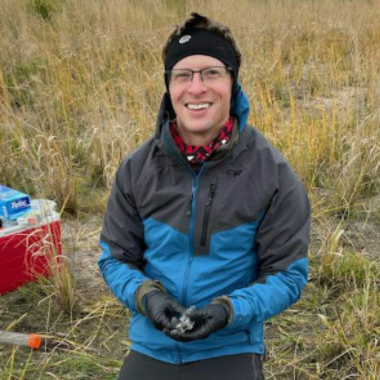
Chris Parsons
Background: Freshwater biogeochemist with a Ph.D. in biogeochemistry. Research scientist with Environment and Climate Change Canada’s Biodiversity Research Division at the Canada Centre for Inland Waters in Burlington, ON. Adjunct professor at the University of Waterloo.
Research focus: Transportation, transformation, and storage of nutrients and other elements in freshwater systems. Effects of human activity on water quality and ecosystem health. Phosphorus and nitrogen cycling, sediment–water interactions, wetlands, reservoirs and agricultural best management practices, with an emphasis on translating scientific evidence into practical watershed management.
Favourite thing to do on/around Lake Winnipeg: “I enjoy exploring and working on wetland restoration projects throughout the Lake Winnipeg watershed. I love seeing the rich habitat that wetlands provide and learning from the people working to restore and protect them.”
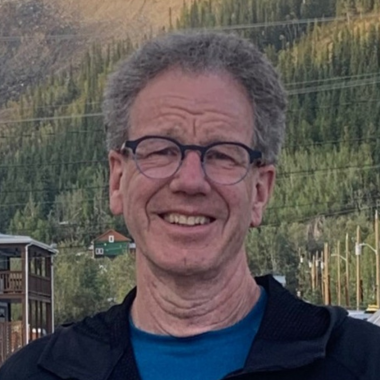
Michael Paterson
Background: Research Scientist with the IISD Experimental Lakes Area. Ph.D. in Biology from Dalhousie University, M.Sc. in Biology from Indiana University, and B.Sc. from University of Manitoba.
Research focus: Effects of human activities on water quality and aquatic food webs, including eutrophication, hydro development, climate change, and various contaminants including mercury, microplastics, and organic chemicals.
Personal connection to Lake Winnipeg: “I grew up in Winnipeg and spent a lot of time in my younger years at Grand Beach, Winnipeg Beach, and along the shores of Lake Winnipeg.”
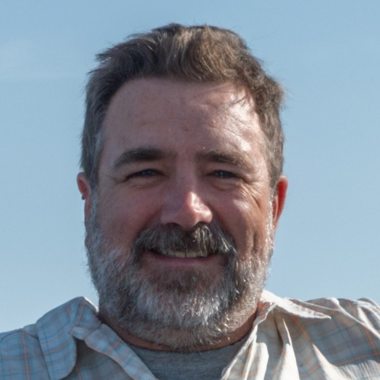
Michael Rennie
Background: Professor at Lakehead University, current Chair of the Biology Department. Canada Research Chair in Freshwater Ecology and Fisheries from 2015-2024. M.Sc. and Ph.D. from the University of Toronto.
Research focus: Linkages between metabolic performance of individuals and ecosystem-level processes, the means by which these relationships are modulated in altered environments, and how these changes affect the pathway and efficiency of energy flow through food webs.
Personal connection to Lake Winnipeg: "I have had several students conduct their research on the lake and our Lake Winnipeg microplastics paper is my most highly cited research paper."
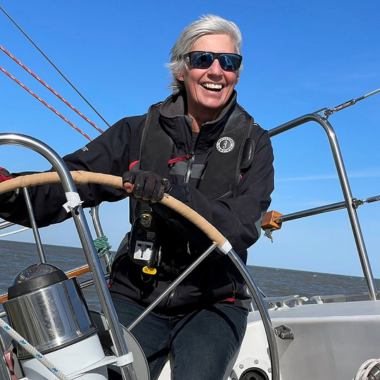
Karen Scott
Background: Ph.D. in Microbiology (mercury biogeochemistry) and undergraduate degrees in chemistry and physical geography. Self-employed for over 25 years working primarily on Lake Winnipeg developing and delivering science and education programs.
Research focus: Bridging the gap between scientific knowledge and public understanding by making science more accessible, relevant, and engaging to non-scientists.
Favourite thing to do on/around Lake Winnipeg: "Sailing – the absolute best way to experience the lake's beauty and gain a healthy respect for its power, complexity, and capricious nature."