stewardship in action: indigenous guardians around lake winnipeg
Posted: June 25, 2026
By Kianna Durston, Program Lead with the Lake Winnipeg Indigenous Collective.
June is National Indigenous History Month, a time to recognize the histories, cultures, knowledge, and contributions of First Nations, Inuit, and Métis Peoples across Turtle Island. It is also an opportunity to highlight the ongoing stewardship Indigenous communities continue to provide for the lands and waters surrounding Lake Winnipeg.
Pinesiw Maskihkiy Totem is the Indigenous Guardian Network developed by the Lake Winnipeg Indigenous Collective (LWIC) to connect Nations and Guardians around Lake Winnipeg to support environmental monitoring, stewardship, and collective action.
One of the network's primary initiatives is our Shared Shoreline Monitoring Program. Together, participating Nations have established more than 10 shoreline monitoring sites around Lake Winnipeg to track shoreline erosion, water levels, habitat conditions, and other environmental changes occurring along the lake's shores.
Now entering its third year, this work is helping communities better understand the impacts of erosion and changing environmental conditions while supporting local planning, restoration efforts, and stewardship activities. By bringing together Indigenous Knowledge and scientific monitoring methods, communities are building a more complete understanding of the health of Lake Winnipeg and the lands and waters that sustain them.
A key priority of our Guardian Network is strengthening community capacity through shared monitoring, support, and collective learning. Equally important is ensuring that the knowledge gathered through monitoring is mobilized into meaningful action that benefits both the land, people, and animals who depend on it.
One example of this is a Barn Swallow habitat restoration project undertaken in partnership with Sagkeeng Anicinabe First Nation. During our shoreline monitoring work, Sagkeeng Guardians identified the Barn Swallow as an important species they wanted to support through restoration efforts. Working alongside Guardians and Knowledge Carriers, two Barn Swallow nesting structures were installed on the north and south shores of the Winnipeg River in locations where the birds had previously nested.
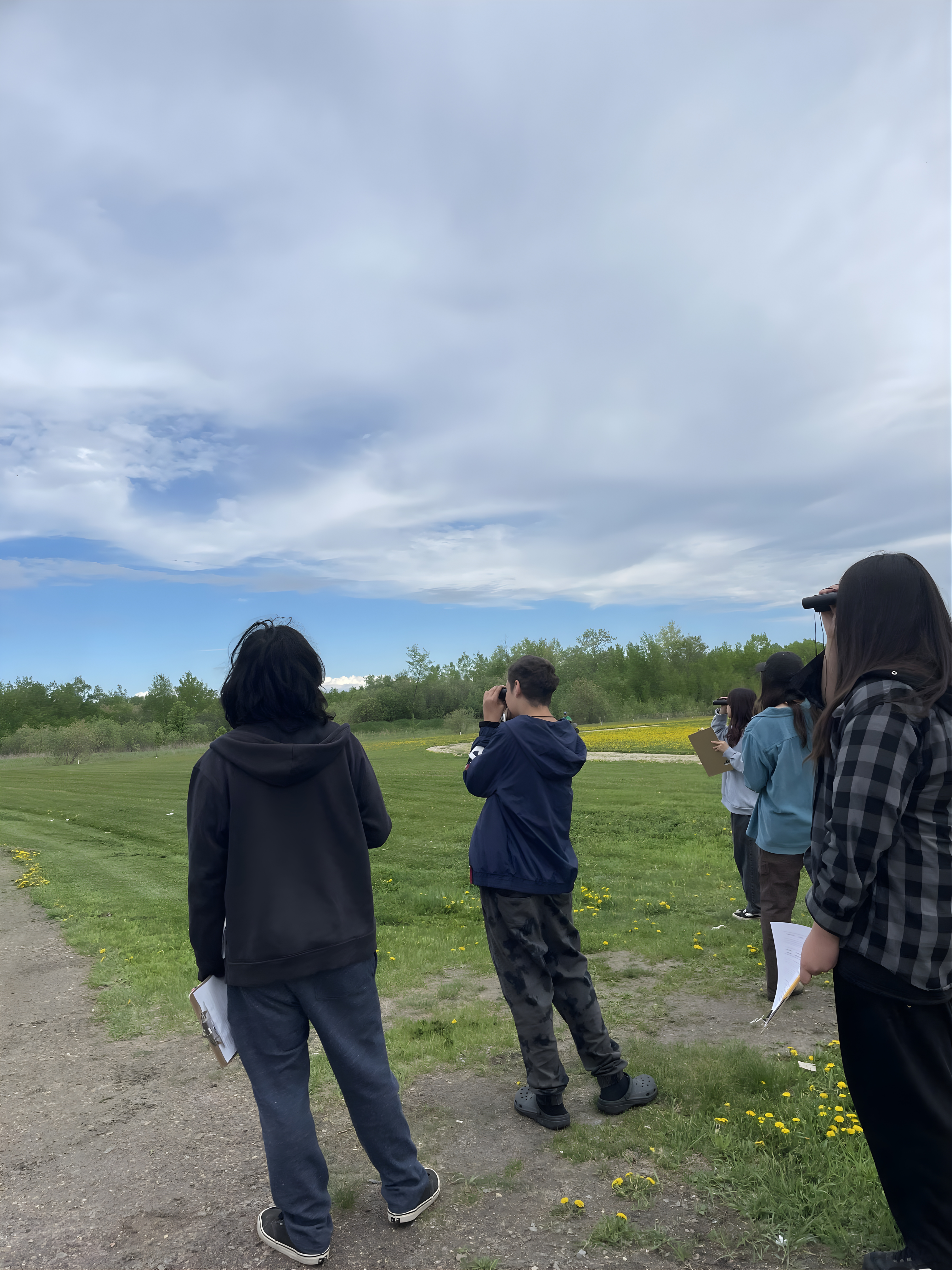
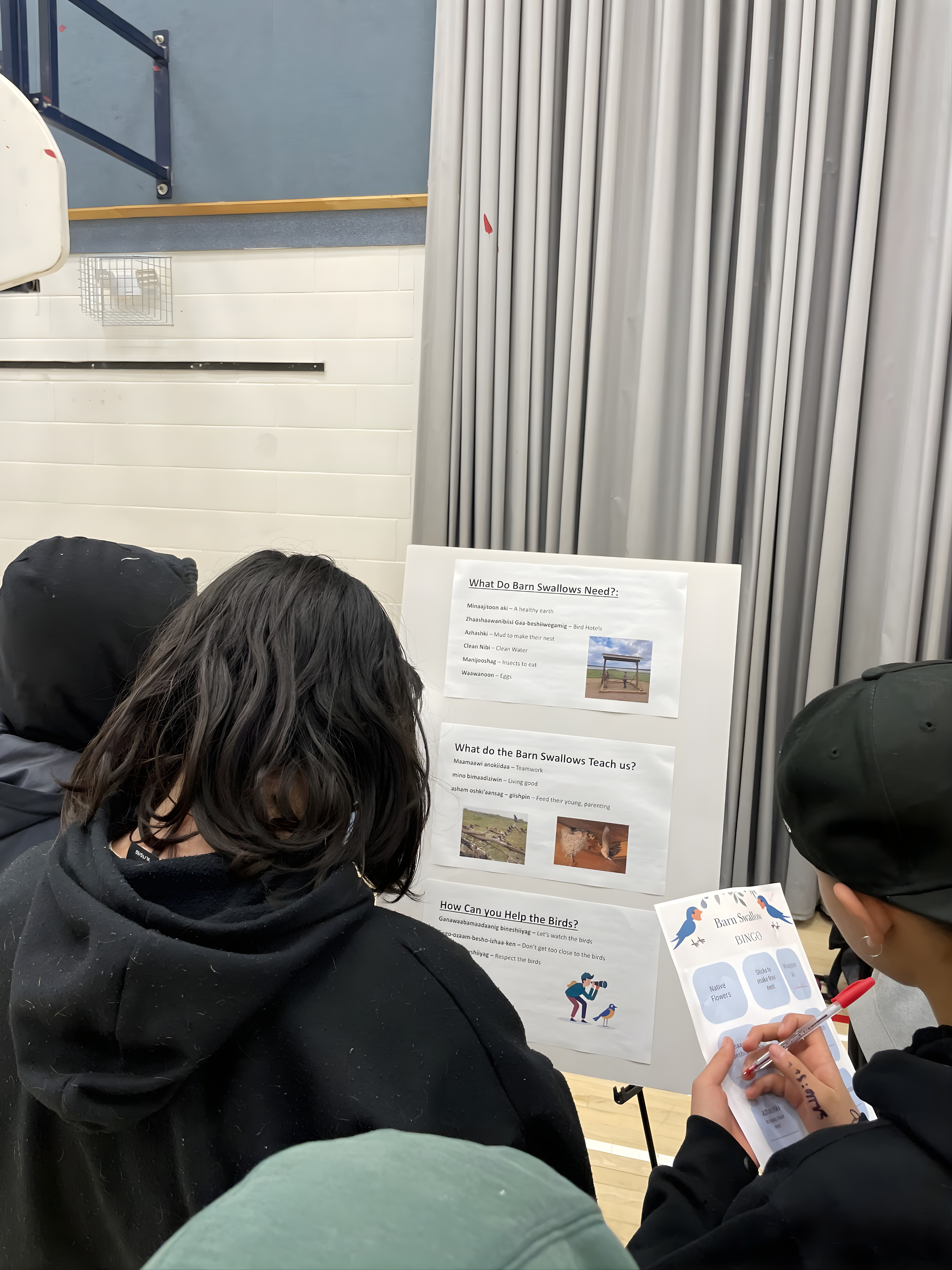
This spring, the project expanded to include youth engagement through learning days with students from Sagkeeng's Junior High and High School. Students learned about the Barn Swallow, a threatened species in Canada, and participated in hands-on activities focused on bird monitoring and habitat restoration. They also had the opportunity to learn some of the monitoring techniques used by Guardians and discuss the important role Indigenous stewardship plays in protecting wildlife, habitats, and ecosystems.
By supporting Indigenous-led monitoring, restoration, and knowledge sharing, communities across the watershed are helping build a healthier and more resilient future for Lake Winnipeg.
Indigenous stewardship is not only a part of our history—it is a living responsibility that continues today through the leadership of Guardians, Knowledge Carriers, youth, and communities working together to care for Lake Winnipeg for generations to come.
To learn more about what the Lake Winnipeg Indigenous Collective is working on, visit their website.